
You are slicing up some fruit or chopping vegetables for dinner, and there they are, those hopeful eyes and that gently wagging tail. Can you share a bit? With fruits and vegetables, the answer is often a happy yes, since many make wonderful, healthy, low-calorie treats. But a few are genuinely dangerous, and even the safe ones come with a couple of simple rules.
This is your go-to guide for the classic question every dog owner asks: can dogs eat this? I have gathered the most common fruits and vegetables people wonder about, sorted clearly into yes and no, with quick notes on how to serve the safe ones. Keep it bookmarked for the next time you are standing at the kitchen counter with a curious dog at your feet.
A quick rule for all of them: serve fruits and veg plain, in small pieces, with no seasoning, and remove any seeds, pits, cores, or tough skins. Treats should make up no more than about ten percent of your dog’s daily calories, so keep portions modest.
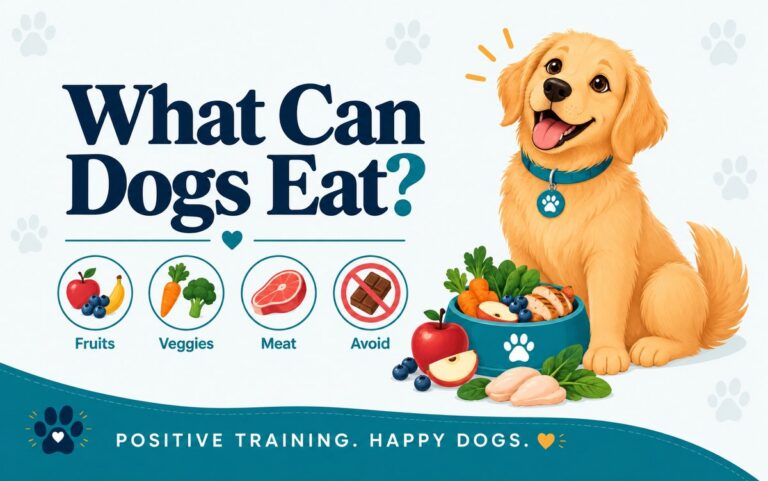
Fruits Dogs Can Eat
Many fruits are safe and make sweet, refreshing treats. Because fruit contains natural sugar, keep the portions small, but these are all good choices.
Apples are a crunchy favorite, rich in fiber and vitamins. Remove the core and seeds first, since apple seeds contain a compound that is harmful in quantity, then slice the flesh. Blueberries are little superfoods, packed with antioxidants, and perfectly sized as training treats. Bananas are sweet and full of potassium, though their sugar means a few slices is plenty. Watermelon is wonderfully hydrating on a hot day once you remove the seeds and rind. Strawberries are safe and full of vitamin C, again in moderation for the sugar. Blackberries and raspberries are fine in small amounts too.
Oranges are safe in small segments with the peel and seeds removed, though some dogs dislike the citrus. Pears are fine with the core and seeds taken out. Mango, cantaloupe, and peaches are all safe treats, but always remove the pit from a peach, since it is both a choking hazard and contains a harmful compound. Pineapple is fine in small, plain chunks.
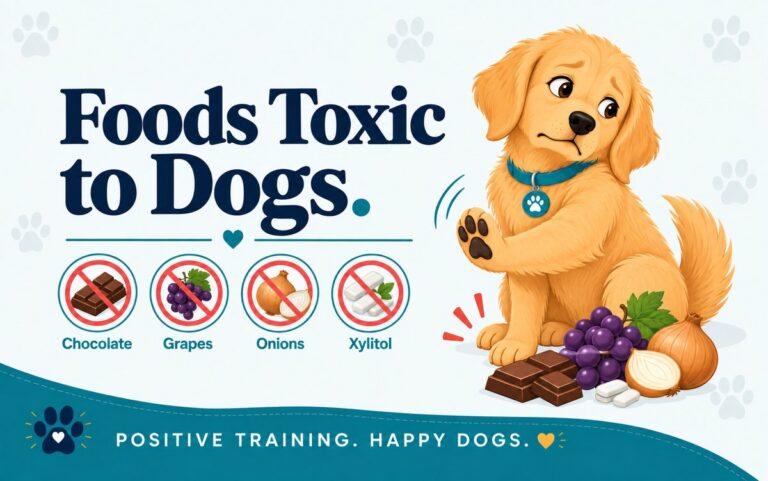
Fruits Dogs Should NOT Eat
A short but critical list. Grapes and raisins are the big one: they can cause sudden kidney failure with no reliably safe amount, so they must be avoided completely, along with currants and sultanas and anything containing them, like certain cakes and cereal bars. Cherries should be avoided because the pits, stems, and leaves contain a harmful compound and the pit is a blockage risk. Avocado, while technically a fruit, is best kept away due to persin and its large, hazardous pit. And the pits and large seeds of many fruits, from peaches to plums, should always be removed, as they pose both a choking and a toxicity risk.
Vegetables Dogs Can Eat
Vegetables are some of the best treats of all, since most are low in calories and high in fiber and nutrients. They are ideal for dogs watching their weight.
Carrots are a top choice, crunchy and satisfying raw, or soft when cooked, and great for teething puppies. Green beans, plain and cooked or raw, are filling and healthy, often recommended for dogs on a diet. Cucumber is hydrating and very low in calories, perfect for a light snack. Plain pumpkin, the pure kind and not spiced pie filling, is gentle on digestion and often used to settle upset tummies. Sweet potato, cooked and plain, is a wholesome, nutritious treat.
Broccoli is safe in small amounts, though large quantities can cause gas, so go easy. Celery is a fine, crunchy low-calorie snack. Peas are safe and nutritious. Spinach is okay in small amounts. Brussels sprouts are safe but famously gassy, so limit them. Bell peppers, especially red ones, are safe and full of vitamins. Zucchini is a safe, low-calorie option too.
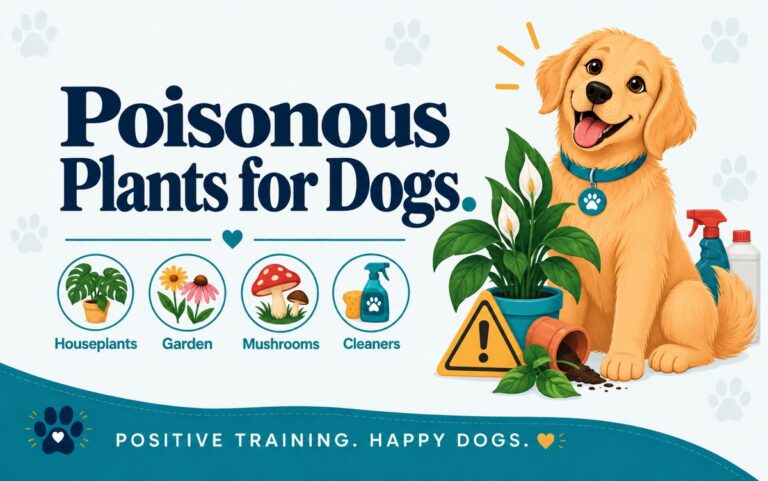
Vegetables Dogs Should NOT Eat
The most important vegetables to avoid all belong to the onion family. Onions, garlic, leeks, chives, and shallots are toxic to dogs in any form, raw, cooked, or powdered, because they damage red blood cells and can cause anemia. This is why so many cooked human dishes are off-limits, since they are so often seasoned with these. Raw potatoes and any green parts of a potato contain a harmful compound and should be avoided, though a little plain cooked potato is fine. Rhubarb leaves are toxic. Mushrooms from the store are generally fine plain, but because wild mushrooms can be deadly and hard to identify, it is safest to keep your dog away from all wild ones entirely. And corn on the cob, while the corn itself is safe, must never be given on the cob, as the cob is a serious intestinal blockage risk.
How to Serve Fruits and Vegetables Safely
A few simple habits make sharing produce safe and enjoyable. Always wash fruits and vegetables to remove any pesticide residue. Serve them plain, with no butter, oil, salt, or seasoning. Cut everything into appropriately sized pieces to prevent choking, small for small dogs. Remove all seeds, pits, cores, tough skins, and rinds. And introduce any new food in a small amount first, watching for any digestive upset over the next day before offering more.
Cooking is optional for most safe vegetables. Some dogs prefer the crunch of raw carrot or cucumber, while others find cooked, softened veg easier to eat, which is especially helpful for puppies and senior dogs. Either way, keep it plain. Steaming or boiling in water with nothing added is best.
Why Fruits and Veg Make Great Treats
Beyond being safe, fruits and vegetables are genuinely good for your dog when given in moderation. They are usually far lower in calories than commercial treats, which makes them ideal for training, where you might reward your dog many times in a session, or for a dog who needs to watch their weight. They add fiber, vitamins, and hydration, and many dogs simply love them. A bag of baby carrots or a handful of green beans can replace higher-calorie treats and keep your dog trim and happy.
That said, they are treats, not meals. A balanced dog food should provide the bulk of your dog’s nutrition, with fruits and veg as healthy extras on top. Keep them to that ten percent treat allowance and everyone stays healthy.
The Bottom Line
When it comes to fruits and vegetables, the answer to “can my dog eat this?” is often a cheerful yes. Apples, blueberries, bananas, watermelon, carrots, green beans, cucumber, and pumpkin are all wonderful, healthy treats when served plain and in moderation. The key things to avoid are grapes and raisins, cherries, and anything from the onion and garlic family, along with pits, seeds, cobs, and wild mushrooms. Wash, chop, and serve plain, keep portions small, and introduce new foods gradually. Do that, and you can happily share nature’s treats with your best friend, one healthy bite at a time.

Dog lover and devoted owner of a Golden Retriever named Poki, sharing what she has learned raising him with kind, positive methods. Learn more about Milica.