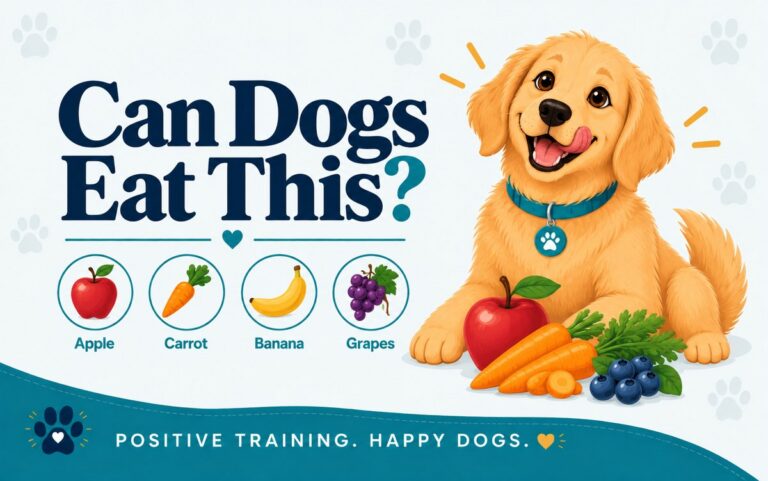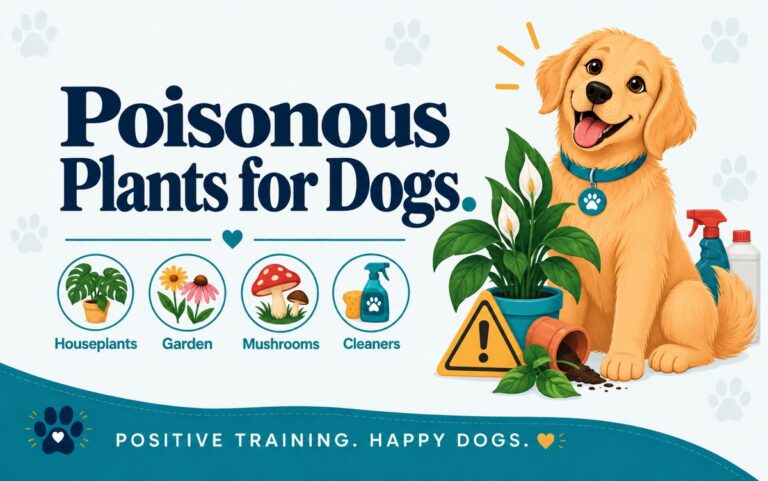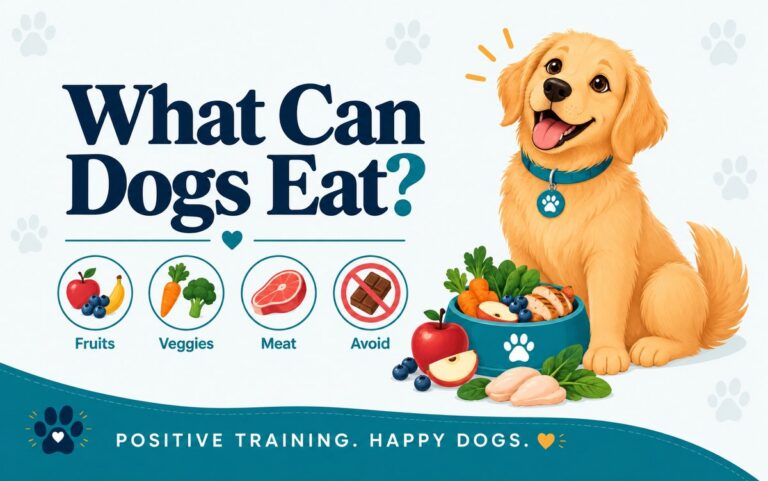
Most of the time, our kitchens are perfectly safe places for our dogs. But hidden among the everyday foods we eat are a surprising number that are genuinely dangerous, some of them so toxic that even a small amount can cause a serious emergency. Knowing exactly which foods to keep away from your dog is one of the simplest and most important ways to protect them.
This is the complete list, organized so you can find what you need quickly. I have ranked them loosely from most dangerous to least, and explained why each one is harmful and what signs to watch for. Bookmark this page, share it with anyone who cares for your dog, and keep an emergency vet number somewhere easy to find. A few minutes of reading now could genuinely save your dog’s life one day.
In an emergency: If your dog has eaten something on this list, call your vet or a pet poison helpline immediately, do not wait for symptoms. In the US, the ASPCA Animal Poison Control Center is (888) 426-4435. In the UK, the Animal PoisonLine is 01202 509000. Have the food packaging ready if you can.
The Most Dangerous Foods
Chocolate
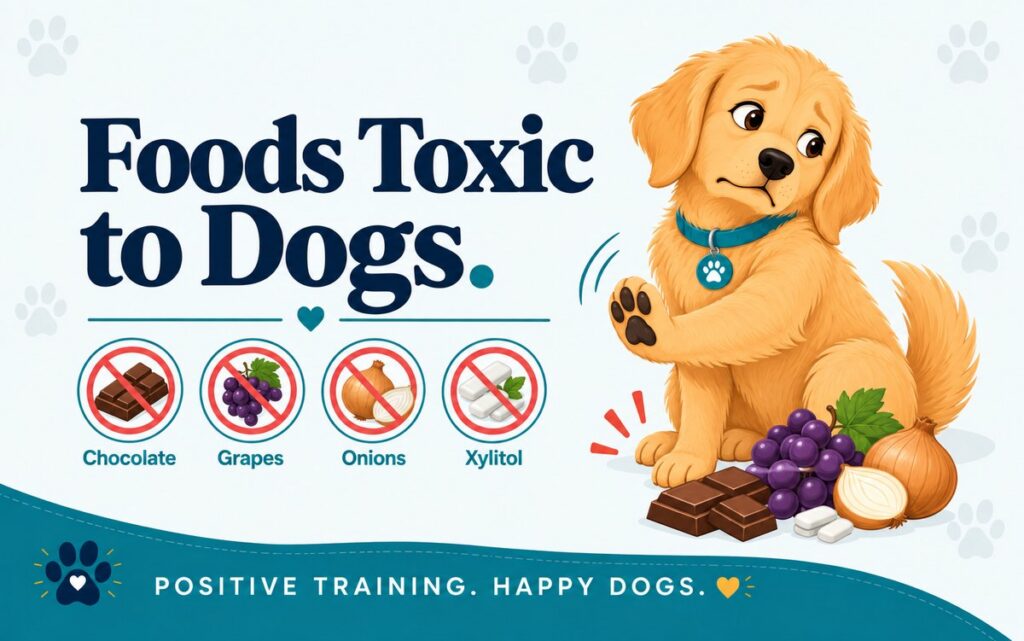
The best-known toxic food, and rightly feared. Chocolate contains theobromine and caffeine, stimulants that dogs metabolize very slowly. The danger rises with how dark the chocolate is: white chocolate has little, milk chocolate more, and dark and baking chocolate the most, with cocoa powder being especially potent. Signs include vomiting, diarrhea, restlessness, a racing heart, muscle tremors, and in severe cases seizures. A small dog eating a chunk of dark chocolate is a real emergency.
Grapes and Raisins
These are among the most alarming toxins because the danger is so unpredictable. Grapes, raisins, currants, and sultanas can cause sudden kidney failure, and there is no reliably safe amount, some dogs are affected by just a few. Watch for vomiting, lethargy, and reduced appetite, though by the time symptoms appear, damage may already be underway. Because the toxic dose varies so much, any ingestion should be treated as an emergency. Do not forget hidden sources like raisins in cakes, cookies, and cereal bars.
Xylitol (Birch Sugar)
This sugar substitute is extraordinarily toxic to dogs and is becoming more common, which makes it especially dangerous. It appears in sugar-free gum and sweets, many “sugar-free” or “keto” baked goods, some brands of peanut butter, certain medicines, and even some toothpastes. In dogs it triggers a rapid, dangerous drop in blood sugar within minutes, and can cause liver failure. Signs include weakness, staggering, collapse, and seizures. Always read peanut butter labels before sharing, since this is a common accidental poisoning.
Onions, Garlic, Leeks, and Chives
Every member of the allium family is toxic to dogs, whether raw, cooked, dried, or powdered. They damage red blood cells and cause anemia, and because garlic is more concentrated, even small amounts in seasoned food add up. This is why so many human dishes are off-limits. The tricky part is that symptoms, pale gums, weakness, rapid breathing, and dark urine, can be delayed by several days, so a dog may seem fine right after eating and become unwell later. Watch out for hidden sources like onion powder in gravies, sauces, and baby food.
Alcohol
Alcohol affects dogs far more powerfully than people, and even small amounts can be dangerous. It causes vomiting, loss of coordination, difficulty breathing, and in serious cases coma. Beyond obvious drinks, be aware of hidden sources like raw bread dough, desserts made with alcohol, and fermented foods.
Macadamia Nuts
These particular nuts are surprisingly toxic to dogs, though the exact reason is not fully understood. Even a small number can cause weakness, especially in the back legs, along with vomiting, tremors, and a raised temperature. Symptoms usually appear within twelve hours and, while rarely fatal, are distressing and warrant a vet call.
Other Foods to Keep Away
Caffeine
For the same reasons as chocolate, caffeine is dangerous. Keep coffee, tea, energy drinks, and any caffeine tablets or supplements well out of reach. Used coffee grounds and tea bags in the bin can be tempting to a curious dog, so dispose of them carefully.
Avocado
Avocado contains a substance called persin, which can cause stomach upset in dogs. While dogs are more resistant to it than some animals, the bigger hazard is often the large pit, which is a serious choking and intestinal blockage risk. It is safest to keep avocado, and guacamole, which usually also contains toxic onion and garlic, away from your dog entirely.
Cooked Bones
While raw bones are sometimes given under guidance, cooked bones of any kind are dangerous. Cooking makes them brittle, so they splinter into sharp pieces that can cause choking, or pierce the mouth, throat, stomach, or intestines. Never give your dog cooked bones from your dinner, and keep them out of reach in the bin.
Raw Bread Dough
Uncooked dough containing yeast is genuinely dangerous. In the warm environment of the stomach it continues to rise, causing painful bloating and a risk of a life-threatening twisted stomach. On top of that, the fermenting yeast produces alcohol, adding alcohol poisoning to the danger. Keep rising dough well out of reach.
Salty and Fatty Foods
Very salty foods like chips, pretzels, and cured meats can cause excessive thirst and, in large amounts, dangerous sodium levels. Rich, fatty foods and trimmings can trigger pancreatitis, a painful and serious inflammation of the pancreas, which is why table scraps and greasy leftovers are a bad idea, especially around the holidays.
Dairy and Certain Other Foods
Many dogs are lactose intolerant, so milk, cheese, and ice cream can cause stomach upset, though these are more likely to cause discomfort than serious poisoning. Raw or undercooked meat and eggs carry a risk of harmful bacteria. Corn on the cob, while not toxic, is a notorious cause of intestinal blockages if a dog swallows the cob, so keep those away too.
How to Keep Your Dog Safe
Prevention is far easier than dealing with a poisoning. Keep dangerous foods stored well out of reach, remembering that determined dogs can open bins, nose open cupboards, and counter-surf. Never leave toxic foods on low tables or countertops within jumping distance. Be especially careful during holidays and parties, when chocolate, grapes, alcohol, and rich foods tend to be everywhere and guests may not know the rules. And make sure everyone in the household, children included, knows never to share these foods with the dog.
It helps to keep your emergency numbers saved in your phone and written somewhere visible, so you are not scrambling to find them in a panic. Knowing exactly who to call, and calling straight away, is what makes the biggest difference in an emergency.
What to Do If Your Dog Eats Something Toxic
If your dog eats something on this list, act immediately and do not wait for symptoms, because with several of these toxins the harm begins before a dog looks unwell. Call your vet or a pet poison helpline right away. Tell them what your dog ate, how much, and when, and keep any packaging handy to read out ingredients. Do not try to induce vomiting unless a professional tells you to, since for some substances that causes further harm. The single best thing you can do is get expert advice on the phone fast and follow it exactly.
The Bottom Line
A handful of common foods are genuinely dangerous to dogs, and the most serious offenders, chocolate, grapes and raisins, xylitol, onions and garlic, and alcohol, deserve a permanent place in your memory. Keep them well out of reach, stay especially vigilant during holidays, make sure your whole household knows the rules, and keep an emergency number close at hand. If the worst happens, act fast and call for help without waiting. A little knowledge and a few simple precautions are all it takes to keep your dog safe from the dangers hiding in the kitchen.

Dog lover and devoted owner of a Golden Retriever named Poki, sharing what she has learned raising him with kind, positive methods. Learn more about Milica.