
Small dogs have huge personalities packed into compact bodies, and they suit an enormous range of homes. They are easier to carry, cheaper to feed, and usually happier in apartments than large breeds. But small does not automatically mean easy. Some little dogs are calm lap companions, others are tireless terriers with opinions about everything.
Here are fifteen of the best small dog breeds, with a realistic look at what each one is like to live with. Weights are approximate adult ranges, and every individual dog is different, so treat these as a starting point rather than a guarantee. At the end you will find a quick guide to choosing the right small breed for your lifestyle.
Small Dog Breeds at a Glance
| Breed | Approx. weight | Energy | Grooming |
|---|---|---|---|
| Cavalier King Charles Spaniel | 5.5 to 8 kg | Moderate | Moderate |
| French Bulldog | 9 to 13 kg | Low | Low |
| Pug | 6 to 8 kg | Low | Low, but sheds |
| Shih Tzu | 4 to 7 kg | Low | High |
| Bichon Frise | 5 to 8 kg | Moderate | High |
| Miniature Schnauzer | 5 to 9 kg | Moderate to high | Moderate |
| Boston Terrier | 5 to 11 kg | Moderate | Low |
| Havanese | 3 to 6 kg | Moderate | High |
| Maltese | Under 4 kg | Moderate | High |
| Pomeranian | 1.5 to 3 kg | Moderate | Moderate to high |
| Yorkshire Terrier | Around 3 kg | Moderate | High |
| Dachshund | Under 5 kg (mini) to 14 kg | Moderate | Varies by coat |
| Chihuahua | 1.5 to 3 kg | Moderate | Low |
| Miniature or Toy Poodle | 3 to 8 kg | Moderate to high | High |
| Papillon | 2 to 4.5 kg | High | Moderate |
1. Cavalier King Charles Spaniel
If you want a sweet, gentle companion who loves everyone, the Cavalier is hard to beat. They are affectionate with children, generally friendly with other dogs, and adaptable to both apartments and houses. They enjoy a walk but are equally happy curled up on the sofa. The breed is prone to certain inherited heart conditions, so choose a breeder who health-screens their dogs.
2. French Bulldog
Frenchies are comical, affectionate, and famously low-maintenance when it comes to exercise. Short walks and indoor play suit them well, which makes them popular in cities. Their flat faces mean they struggle in heat and with strenuous exercise, so they need careful management in warm weather. They can be stubborn, so patient, reward-based training is key.
3. Pug
Pugs are cheerful clowns who live to be near their people. They are gentle, usually great with children, and content with modest exercise. Like French Bulldogs, they are a flat-faced breed and are sensitive to heat. They also shed more than their short coat suggests, and they love food, so watch their weight.
4. Shih Tzu
Bred as companion dogs, Shih Tzus are affectionate, relaxed, and happiest by your side. They adapt well to apartment life and need only moderate exercise. Their long coat sheds little but needs regular brushing or a shorter puppy clip to stay tangle-free. Shih Tzus can be a little slow to house train, so consistency pays off. My small breed puppy training guide includes Shih Tzu tips.
5. Bichon Frise
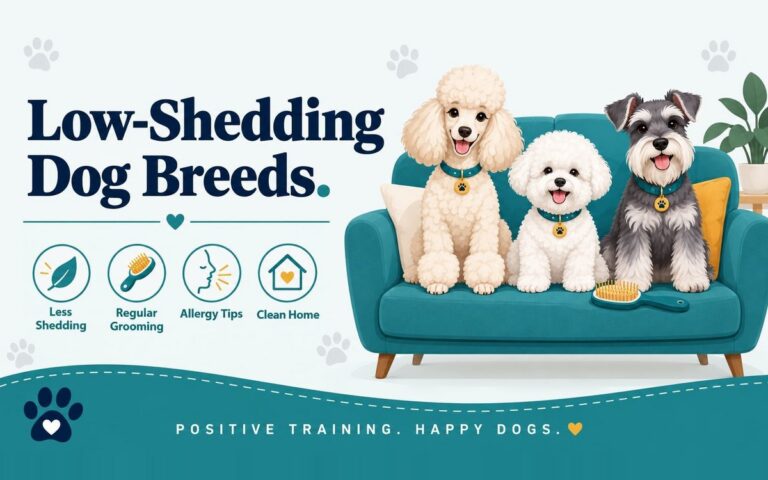
Bichons are bright, cheerful little dogs with fluffy white coats that shed very little. They are playful, sociable, and usually great with families. Their coat needs regular professional grooming. Bichons can be prone to separation distress if left alone for long periods, so they suit homes where someone is around much of the day.
6. Miniature Schnauzer
With their distinctive beards and eyebrows, Miniature Schnauzers are alert, intelligent, and lively. They are excellent watchdogs, which also means they can be vocal. They are sturdy enough for active families, enjoy training, and have a wiry coat that sheds little but needs regular grooming.
7. Boston Terrier
Often called the “American gentleman” for their tuxedo markings, Boston Terriers are friendly, lively, and eager to please. They are compact, easy to groom, and adaptable to most homes. They have a moderately short muzzle, so take care in hot weather.
8. Havanese
The Havanese is one of the most sociable, adaptable little dogs around. They love people, generally get on well with children and other pets, and are happy in apartments. They are bright and trainable, though their silky coat needs regular brushing. Like many companion breeds, they prefer not to be left alone for long.
9. Maltese
Gentle, playful, and devoted, the Maltese is a classic lapdog with a long white coat that sheds very little. They are delicate, so they are better suited to homes with older children or adults. Many Maltese owners keep the coat trimmed short for easier care.
10. Pomeranian
Pomeranians are bold, fluffy, and full of confidence. They are intelligent and trainable, and they adore attention. Their tiny size makes them fragile, so they are not ideal with very young children who might drop them. They can be vocal, so early training on quiet behavior helps. My guide on how to stop dog barking is useful here.
11. Yorkshire Terrier
Yorkies may be small, but they have true terrier spirit. They are brave, curious, and affectionate with their families. Their fine, silky coat sheds little but needs regular care. They can be a challenge to house train, so a consistent routine matters from day one.
12. Dachshund
Dachshunds come in miniature and standard sizes and in smooth, long-haired, and wire-haired coats. They are clever, loyal, and brave, sometimes stubborn, with a strong nose that loves to follow scents. Their long backs make them prone to spinal problems, so avoid letting them jump on and off furniture, and keep them at a healthy weight.
13. Chihuahua
The smallest breed of all, Chihuahuas are loyal, alert, and often bond very closely with one person. They suit calm adult homes and need protection from cold weather and rough handling. Good socialization from puppyhood helps them grow into confident, friendly dogs rather than nervous ones.
14. Miniature or Toy Poodle
Poodles are among the most intelligent breeds and excel at training. The smaller sizes are lively, affectionate, and adaptable, and their curly coat sheds very little, which appeals to many people with allergies. They do need regular grooming and plenty of mental stimulation to stay happy.
15. Papillon
Named for their butterfly-shaped ears, Papillons are bright, energetic, and surprisingly athletic for their size. They love learning tricks and often shine in agility. They suit active owners who enjoy training and play rather than people looking for a sleepy lapdog.
How to Choose the Right Small Dog
Think About Energy
A French Bulldog and a Papillon are both small, but their energy levels are worlds apart. Be realistic about how much daily exercise and play you can offer.
Consider Grooming
Many low-shedding small breeds, like the Bichon, Shih Tzu, and Poodle, need regular professional grooming. Factor in the time and cost before you choose. If allergies are a concern, my list of non-shedding dog breeds covers the options in more detail.
Children in the Home
Very tiny breeds like Chihuahuas, Pomeranians, and Maltese can be injured by enthusiastic young children. Sturdier small breeds like Cavaliers, Pugs, and Boston Terriers often cope better in busy family homes. See the best family dog breeds for more guidance.
Noise
Some small breeds, especially terriers and toy breeds, can be vocal. If you live in an apartment with thin walls, factor this in and plan to work on quiet behavior early.
Health
Flat-faced breeds can have breathing difficulties, and long-backed breeds can have spinal issues. Choose a responsible breeder who health-tests, or consider adopting from a rescue that can tell you about the dog’s history.
Quick Picks by Lifestyle
- First-time owners: Cavalier King Charles Spaniel, Havanese, Bichon Frise. Friendly, forgiving, and keen to please.
- Busy city apartments: French Bulldog, Shih Tzu, Boston Terrier. Modest exercise needs and adaptable temperaments.
- Active owners who love training: Papillon, Miniature Poodle, Miniature Schnauzer. Clever, quick, and happy to learn new tricks every week.
- Quiet adult homes: Maltese, Chihuahua, Shih Tzu. Devoted companions who enjoy calm routines.
- Owners with mild allergies: Poodle, Bichon Frise, Maltese, Havanese. Low-shedding coats, though no dog is truly hypoallergenic, so spend time with the breed before committing.
Living With a Small Dog: Practical Tips
Use a Harness for Walks
Small breeds, especially toy breeds like Yorkies, Pomeranians, and Chihuahuas, can have delicate tracheas. A well-fitted harness spreads pressure across the chest instead of the neck. Teach loose lead walking from the start with my leash training guide so your dog learns that a slack lead pays off.
Protect Their Joints and Backs
Jumping off sofas and beds can strain small joints and long backs. Pet steps or ramps are an easy fix, and you can train your dog to use them with a few treats. Lifting your dog correctly, with one hand under the chest and one supporting the back end, matters too.
Take Dental Care Seriously
Many small breeds have crowded teeth and are prone to dental disease. Getting your puppy used to gentle tooth brushing early, with plenty of rewards, saves a lot of trouble and vet bills later. Ask your vet to check teeth at every visit.
Keep Them Warm
Tiny, short-coated breeds such as Chihuahuas lose heat quickly. A snug coat for cold, wet walks is practical rather than a fashion statement. Watch for shivering and shorten winter walks if needed.
Mind the Treats
A treat that is a nibble for a Labrador is a meal for a Pomeranian. Use tiny, pea-sized rewards and count them as part of the daily food allowance. Small dogs gain weight quickly, and extra weight puts strain on their joints and backs.
Questions to Ask a Breeder or Rescue
- What health tests have the parents had, and can I see the results?
- Can I meet the mother, and the father if possible?
- How have the puppies been socialized so far, and with what sounds, people, and handling?
- What is this dog’s temperament like with children, other dogs, and being alone?
- Will you take the dog back at any point in their life if things do not work out?
A good breeder or rescue will be glad you asked, and will probably have plenty of questions for you too. Be wary of anyone who always has puppies available, will not let you visit, or offers to meet you in a car park.
Frequently Asked Questions
Are small dogs easier to train than big dogs?
Not easier or harder, just different. Small dogs are often very quick learners, but owners sometimes let small habits slide. Tiny bladders can make house training take a little longer, so frequent toilet trips matter.
Which small dog breed barks the least?
Cavaliers, Shih Tzus, and French Bulldogs are generally on the quieter side, while terriers and Chihuahuas tend to be more vocal. Individual personality and training make a big difference either way.
Are small dogs good with children?
Sturdier small breeds can be wonderful with children who are taught to be gentle. Very tiny breeds are better suited to families with older, calmer children, because a fall from small arms can cause serious injury.
Do small dogs live longer?
On average, smaller breeds do tend to live longer than giant breeds, often well into their teens. Good care, a healthy weight, and regular vet checks help any dog live a long, comfortable life.
Small Dogs Still Need Training
It is tempting to let small dogs get away with things a large dog never could, like jumping up or barking at visitors. But small dogs thrive with the same kind, consistent training as any other dog, and they are often brilliant learners. If you are bringing home a small breed puppy, start with my Puppy Training 101 guide, and for house training in a smaller home, see potty training a puppy in an apartment. My printable checklist also walks you through the first six months week by week.
The Bottom Line
The best small dog breed is the one that fits your energy, your home, and your family. Cavaliers, Havanese, and Shih Tzus make wonderfully easygoing companions, Miniature Schnauzers and Papillons suit active owners, and low-shedding breeds like Bichons and Poodles appeal to people with allergies. Whichever you choose, meet the breed in person if you can, choose a responsible source, and commit to kind, consistent training from day one. A well-chosen small dog brings an enormous amount of love into a home.
Dog lover and devoted owner of a Golden Retriever named Poki, sharing what she has learned raising him with kind, positive methods. Learn more about Milica.